Drought-Proofing Your Turf: Navigating “Extreme” Water Shortages in North and Central Florida
May 4, 2026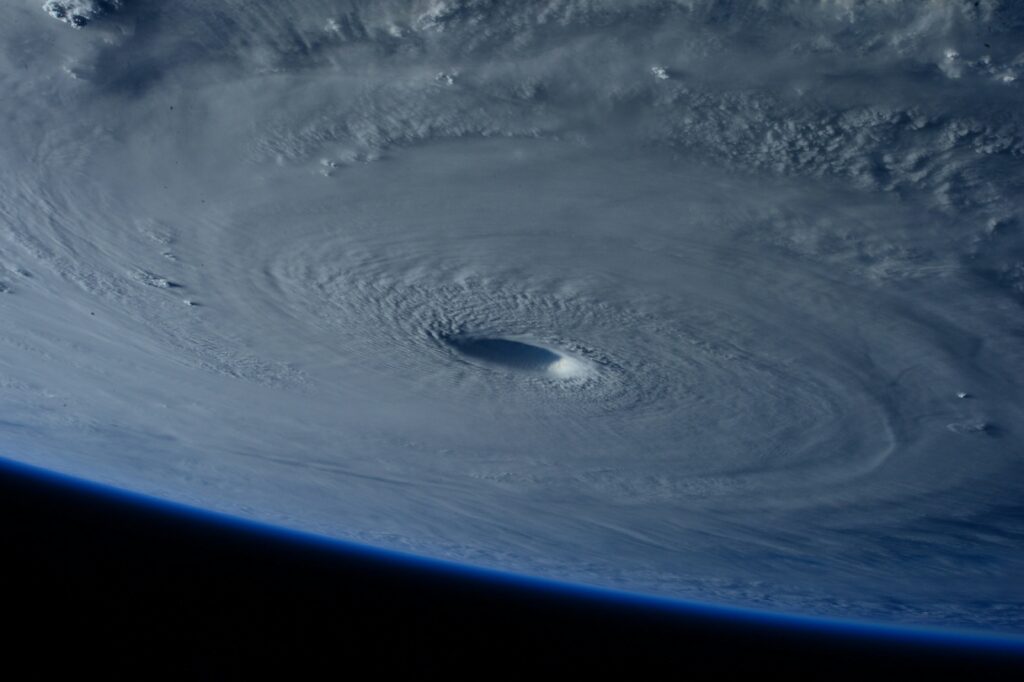
A Comprehensive Guide for CAMs, Commercial Managers, and Board Leaders
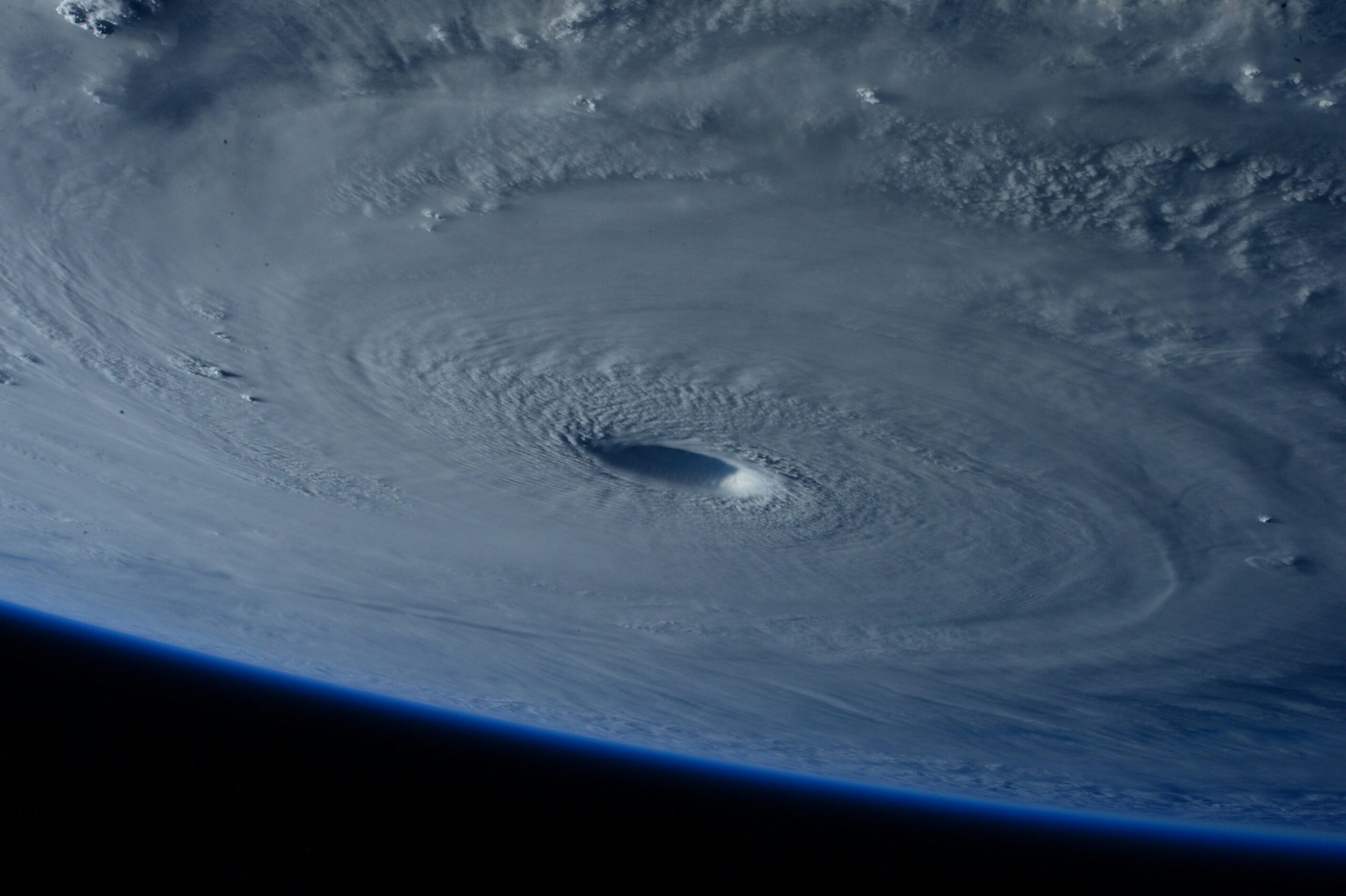
For community leaders, hurricane season is not a seasonal event. It is a test of infrastructure and administrative foresight. While plywood and generators dominate the public conversation, professional managers know that property resilience starts months in advance, at the ground level.
Phase I: The Administrative Shield
Before the first storm tracks are published, your legal and financial house must be in order. This serves as the “paper armor” for your community.
- Legal Counsel Review: Engage your association attorney to review the “Emergency Powers” section of your bylaws (often found in §718 or §720 for Florida-based managers). Ensure the Board understands their authority to levy special assessments or enter into emergency contracts.
- The Insurance Gap: Work with your agent to ensure the property isn’t just insured, but correctly valued. With rising construction costs, last year’s valuation may leave you underinsured.
Phase II: Soil, Turf, and Drainage Integrity
Storm damage is often cumulative. A weak landscape in June becomes a disaster in September. This is where modern agronomics meet disaster recovery.
Terra-seeing & Erosion: Bare soil is an invitation for disaster. Terraseeding uses a calibrated blower system to inject seed directly into a nutrient-rich soil matrix. This creates an immediate “mat” that resists the F = ma force of rushing water, preventing slope failure at pond banks.
Top Dressing & Mulch: Applying a thin layer of organic material (Top Dressing) strengthens the turf’s “thatch” layer. This acts as a shock absorber. Properly applied mulch prevents soil compaction, allowing heavy rainfall to permeate the ground rather than flooding the parking lot.
The Pond Factor
If your community ponds are experiencing “shelfing” (the vertical drop-off at the water’s edge), you have a liability. High-water surges will undercut these banks, leading to massive land loss. Erosion repair should be completed while water levels are manageable, not during the rainy season surge.
PROPERTY READINESS CHECKLIST
- Documentation: 360-degree high-res photos/video of all common areas, roofs, and pond banks.
- Tree Canopy: Structural pruning to remove “sail” effect and dead wood.
- Drainage Audit: Clear all catch basins and verify “weep holes” in retaining walls are clear.
- Soil Stabilization: Identify areas of thin turf; apply Top Dressing/Terra-seeding to prevent washouts.
- Mulch Levels: Ensure mulch is 2-3″ deep but kept away from building foundations to prevent moisture wicking.
- Contractor Priority: Sign “First Response” agreements with landscaping and debris haulers.
- Pond Banks: Inspect for ruts and install erosion control blankets or vegetation where needed.
Conclusion: Proactive vs. Reactive
The cost of Erosion Repair and Terra-seeding today is a fraction of the cost of emergency dredging and land reclamation after a storm. By fortifying the ground now, you protect the community’s most valuable asset: the land it sits on.
Ready to hurricane-proof your property?
- Visit us: AmericanGroundPro.com
- Call our team: Reach out to our Jacksonville, Tampa, or Sarasota offices today to schedule a consultation – 904.254.5366
American GroundPro: Florida’s Leader in Ground Covering & Erosion Control.